
Birçok azot jeneratörü kullanıcısı ortak bir sorunla karşı karşıyadır: aynı CMS, aynı ekipman ve aynı yükleme işlemiyle, azot çıkışı ve saflığı belirtilen özelliklerin altında kalmaktadır. Veya performans mevsime göre değişmekte veya basınç ayarlamalarından sonra istikrarsız hale gelmektedir.
Çoğu durumda sorun CMS kalitesi değil, sıcaklık ve basıncın optimum aralıkta olmamasıdır; bu da adsorpsiyon hızını, kapasiteyi ve ayırma verimliliğini doğrudan etkiler.
Bu makale, sıcaklık ve basıncın CMS performansını nasıl etkilediğini açıklamaktadır.
1. Temel Prensip: CMS'nin Adsorpsiyon Özellikleri
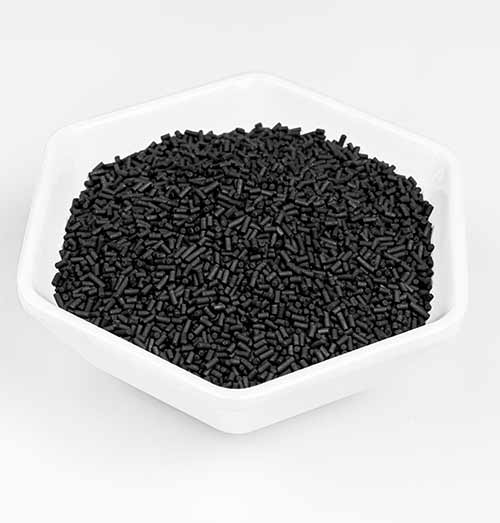
CMS, kinetik ayırma sağlamak için hassas bir şekilde tasarlanmış mikro gözenekler kullanır: oksijen öncelikli olarak adsorbe edilirken, azot gaz fazında zenginleştirilir. Başlıca performans göstergeleri arasında oksijen adsorpsiyon kapasitesi, ayırma faktörü, adsorpsiyon hızı ve yaşlanma direnci yer alır.
Sıcaklık ve basınç, başlıca iki dış faktördür:
Bu iki unsurdan herhangi birindeki dengesizlik, jeneratör performansını önemli ölçüde düşürebilir.
2. Sıcaklığın CMS Performansına Etkisi
CMS, düşük sıcaklıklarda daha iyi performans gösterir. Daha yüksek ortam veya giriş sıcaklıkları adsorpsiyon performansını düşürür; bu da yaz aylarındaki çalışma performansının genellikle düşmesinin ana nedenidir.
| Sıcaklık Aralığı | Performans | Temel Etki |
| 10°C – 25°C (Düşük) | Optimal | Yüksek adsorpsiyon kapasitesi ve ayırma faktörü, istikrarlı saflık. 10°C'nin altında: daha iyi performans ancak donma riski. |
| 25°C–35°C (Normal) | Standart aralık | Hafif performans kaybı, küçük parametre ayarlamalarıyla giderilebilir. |
| >38°C (Yüksek) | Hızlı düşüş | Saflıkta düşüş, verim kaybı; uzun süreli yüksek sıcaklık altında %30'dan fazla kısalma. |
3. Basıncın CMS Performansına Etkisi
PSA azot jeneratörleri, adsorpsiyon ve rejenerasyon için basınç değişimlerine dayanır. Basınç, CMS adsorpsiyon kapasitesi için kilit değişkendir; çok düşük, çok yüksek veya kararsız olduğunda ayırma işlemi bozulur.
| Basınç Aralığı | Performans | Temel Etki |
| <0,6 MPa (Çok düşük) | Yetersiz adsorpsiyon kapasitesi | Hem saflık hem de verim düşüyor, çalışma istikrarsızlaşıyor. |
| 0,6–0,8 MPa (Optimal) | Zirve performansı | Doygunluk ve geri kazanım oranları tasarım hedeflerine uygun, istikrarlı döngüler, düşük tozlaşma riski. |
| >0,85 MPa (Çok yüksek) | Hızlandırılmış hasar | Parçalanma, topaklanma, gözenek tıkanması (zehirlenme), vana/boru hattında artan gerilim |
| Atmosferik (Yenilenme) | Yenilenme için kritik öneme sahip | Eksik egzoz, artık oksijene ve bir sonraki adsorpsiyon döngüsünün başarısızlığına yol açar. |
4. Birleşik Etki: Yüksek Sıcaklık ve Düşük Basınç
Tek bir parametre sapmasının etkisi sınırlıdır, ancak‘yüksek sıcaklık ve düşük basınç’ En kötü kombinasyondur ve saflık kaybının en yaygın nedenidir:
5. Yerinde Optimizasyon Önlemleri
Sıcaklık kontrolü
Basınç kontrolü
Profesyonel bir CMS üreticisi olarak Chizhou Shanli, yüksek sıcaklık, düşük basınç veya yüksek nem koşulları için özelleştirilmiş CMS kaliteleri ve yerinde ayarlama çözümleri sunarak sarf malzemeleri seviyesindeki istikrarsızlık sorununu çözmektedir.
Lütfen okumaya devam edin, haberdar olun, abone olun ve düşüncelerinizi bizimle paylaşmanızı bekliyoruz.

telif hakkı
@ 2026 Chizhou Shanli Moleküler Elek Co., Ltd. Her hakkı saklıdır.
 AĞ DESTEKLENİYOR
Hi! Click one of our members below to chat on